
The Rise of Misinformation: A Data-Driven Analysis
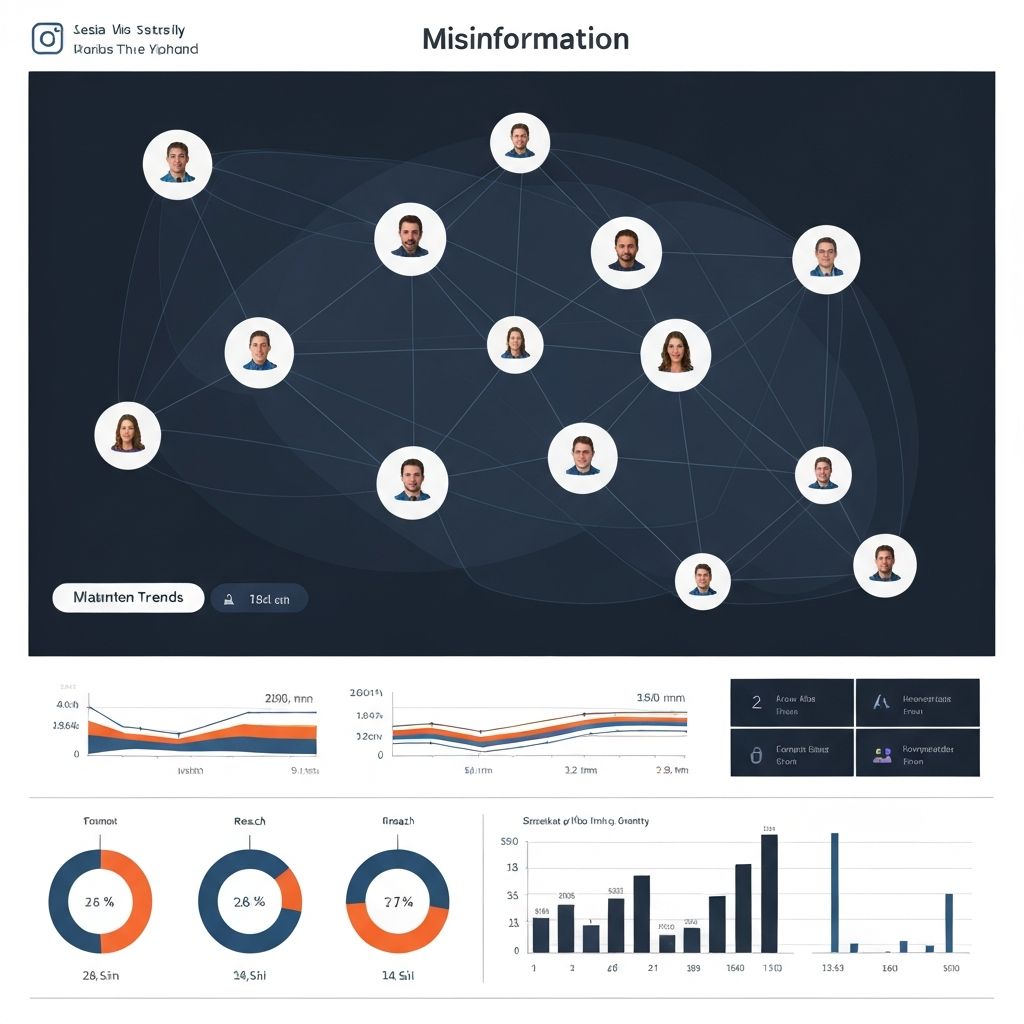
Understanding the Misinformation Epidemic
In 2026, misinformation has become a defining feature of our information ecosystem. What started as isolated fake news stories has evolved into a coordinated, sophisticated system for creating and spreading false information at scale. Understanding the scope and impact of this phenomenon is essential for anyone navigating the digital world.
The Scale of the Problem
Recent studies show that false information spreads faster and further than accurate information on social platforms. On average, a false claim reaches 1,500 people before the correction reaches 600. When considering that corrections often arrive days or weeks after the original misinformation, the damage is already substantial.
The 2026 Global Misinformation Report found that:
- 62% of adults encounter false information weekly
- 34% of people admit to sharing content without verifying it
- 78% of people believe misinformation is a serious threat to society
- Only 41% of people report using fact-checking tools
Why Misinformation Spreads So Quickly
Emotional Resonance
False information is often engineered to provoke strong emotional reactions. Content that angers, frightens, or excites people is more likely to be shared. Misinformation creators have learned to exploit this psychological principle systematically.
Algorithmic Amplification
Social media algorithms prioritize engagement. Because misinformation generates high engagement (through shares, comments, and reactions), platforms inadvertently amplify false content. The algorithm doesn't distinguish between engagement from people sharing truth versus engagement from people sharing lies.
Echo Chambers and Filter Bubbles
Users increasingly see content aligned with their existing beliefs. When misinformation enters an echo chamber, it encounters minimal contradiction and gains credibility through repetition and social proof.
Ease of Creation
AI tools now allow anyone to create convincing fake images, videos, and documents. The barrier to entry for misinformation creation has collapsed. Professional-quality synthetic media can be generated in minutes.
Types of Misinformation in 2026
Political Misinformation
During elections, misinformation reaches peak levels. False claims about voting procedures, candidate records, and political opponents spread rapidly. Research shows that voters exposed to political misinformation are more likely to vote based on false premises.
Health Misinformation
False health claims impact real lives. From vaccine misinformation to unproven medical treatments, health-related false information causes measurable harm. Studies link exposure to health misinformation with worse health outcomes.
Financial Misinformation
Stock tips, cryptocurrency scams, and fake investment opportunities cause direct financial harm. Bad actors use misinformation to manipulate markets and steal money from unsuspecting investors.
Crisis Misinformation
During emergencies, misinformation spreads faster than accurate information. False claims about disasters, pandemics, or attacks can misdirect resources and cause panic.
The Real-World Impact
Misinformation isn't just annoying or frustrating — it has tangible consequences. False health information leads to deaths. Political misinformation undermines democratic processes. Financial misinformation ruins lives. The cumulative impact of widespread misinformation destabilizes society.
Fighting Back
Addressing misinformation requires a multi-pronged approach: improved media literacy, platform accountability, better fact-checking systems, and personal responsibility. Each of us has a role to play in verifying information before sharing it and calling out misinformation when we encounter it.